
What Is BPC-157? The Peptide Andrew Huberman and Joe Rogan Can’t Stop Talking About
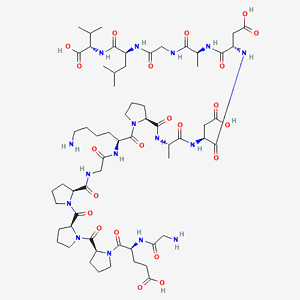
In recent years, the peptide BPC-157 (Body Protection Compound-157) has gained attention in research and experimental settings. It is frequently discussed in online communities; however, characterization of its properties should be limited to findings from preclinical (in vitro and animal) studies. This article reviews what is currently known from the literature and clarifies its regulatory status as a research-use compound.
What Is BPC-157?
BPC-157 is a synthetic peptide composed of 15 amino acids (a “pentadecapeptide”) derived from a protective protein found in human gastric juice.
- It has been investigated in gastrointestinal model systems, including studies examining peptide stability, mucosal integrity, and inflammatory signaling under controlled experimental conditions
- Despite the “pop culture” hype around Huberman and Rogan, it’s crucial to emphasize: BPC-157 is not approved by the U.S. Food & Drug Administration (FDA) for any human therapeutic use. It is still, in many jurisdictions, classed as a “research-only” compound.
Mechanisms of Action: What the Research Suggests
So how might BPC-157 work (again, mostly in animals or cell systems at this stage)? Here are a few of the key mechanisms suggested by the published literature:
Available literature (primarily in vitro and animal studies) has explored several biological pathways associated with this compound:
• Vascular signaling: Observed interactions with pathways such as VEGFR2-Akt-eNOS in experimental models
• Cellular activity: Changes in fibroblast behavior and receptor expression in controlled systems
• Tissue-level observations: Alterations in structural and biomechanical properties in musculoskeletal models
• Neuro-gut signaling: Investigations into interactions with neurotransmitter pathways and gastrointestinal system signalingThese findings are limited to controlled research environments and are not established in human clinical settings.
Key Evidence & Limitations
Evidence in Support
- Preclinical studies have reported structural and functional changes in musculoskeletal models, including observations at the myotendinous junction (muscle–tendon interface) following experimental administration.
- A systematic review of predominantly animal-based studies identified consistent patterns in measured biological responses across different tissue systems. However, these findings remain limited to preclinical research and do not establish clinical relevance in humans.
The Limitations & Risks
- Human trials are extremely limited. The systematic review found only one small clinical study in humans (musculoskeletal pain, knee injection) among dozens of animal experiments.
- Regulatory status: BPC-157 is prohibited under the World Anti-Doping Agency (WADA) “S0 – Unapproved Substances” category.
- Safety undetermined: While animal studies show minimal toxicity, the long-term safety, optimal dosing, manufacturing purity and human pharmacokinetics remain largely unknown.
- Potential risks: Because it promotes angiogenesis and growth-factor-related signalling, there is theoretical concern about tumor growth or unwanted vascular proliferation.
- Quality/regulation concerns: Many “research chemical supplier USA” sites sell BPC-157 for “lab use only” and disclaim human use. The purity, stability and authenticity of these compounds may vary widely.
Why It’s Getting So Much Buzz
Why are podcast hosts and wellness influencers talking about BPC-157?
- Interest in this compound has been driven by visibility in online discussions and the interpretation of preclinical research findings. Descriptions in these contexts often extend beyond what is supported by controlled experimental data.
- The animal data is striking and visually compelling (injured tendons healed faster, etc.).
- Its “off label” status adds an element of intrigue (“cutting-edge,” “not yet mainstream”).
- Many researchers and clinicians see peptides as the next frontier in regenerative medicine.
That said — the hype often outruns the evidence.
“Research Chemical Supplier USA” — What That Means
Whenever you see BPC-157 being marketed with phrases like “research chemical,” “for laboratory use only,” or “not for human consumption,” this is a red flag and important legal/regulatory distinction:
- These peptides are supplied for research use only, not approved for human therapeutic use.
- Some US-based suppliers advertise BPC-157 with ≥99% purity, third-party testing, etc., but these are still unregulated with respect to human dosing.
- Because the FDA has not approved BPC-157 as a drug or dietary supplement, any human use is off-label, unsanctioned and carries legal/health risks.
- For researchers, verifying the Certificate of Analysis (COA), sourcing, storage and chain of custody is critical — but this does not equal a guarantee of safety for human use.
What to Keep in Mind (for Researchers & Observers)
- If you’re reading about BPC-157, recognize that most evidence comes from animal or cell-culture studies. Human translation is minimal.
- Any clinical use (outside a regulated trial) is “experimental.”
- Manufacturing quality matters: look for independent testing, sterility, endotoxin levels if used in lab settings.
- Because BPC-157’s mechanisms include angiogenesis, fibroblast activation, growth hormone receptor upregulation, you should be cautious if you have history of cancer or tumour risk.
- If an athlete uses BPC-157 (in jurisdictions where doping rules apply), they may be in violation of WADA rules.
- Avoid using marketing claims (“miracle healing”, “anti-aging wonder”) at face value. Always check the primary literature and regulatory disclaimers.
Summary
BPC-157 is a synthetic peptide that has been investigated in preclinical (in vitro and animal) research models across multiple biological systems. Published studies describe interactions with pathways related to vascular signaling, cellular activity, and tissue structure under controlled experimental conditions.
Translation of these findings to human applications has not been established. Human clinical data are extremely limited, and safety, dosing, and efficacy have not been determined in regulated settings.
This compound remains experimental and is supplied strictly for laboratory research use.
Final Recommendation
If you are a researcher interested in BPC-157, proceed with rigor: ensure sourcing is verified, follow lab-safety protocols, and treat any human-use claims as experimental. If you are a general reader or athlete attracted by the “magic peptide” narrative — remain sceptical, track the science (especially robust human trials), and consult qualified medical or regulatory professionals before considering anything beyond research settings.
FAQ
1. Is BPC-157 approved for human use?
No. It is not approved by the U.S. Food & Drug Administration (FDA) for human therapeutic use.
2. What research exists on BPC-157’s effectiveness?
Most of the research is preclinical (animal and cell models). For example, a rat study showed restoration of the myotendinous junction after injury using BPC-157. A systematic review found 35 animal studies and only one small human study.
3. Are there risks associated with BPC-157?
Yes. While animal studies show minimal acute toxicity, human safety data are extremely limited. Potential risks include unknown long-term effects, angiogenesis/tumour risk, and quality-control issues from unregulated suppliers.
4. What is meant by “research chemical supplier USA” in the context of BPC-157?
This refers to companies in the USA which market BPC-157 as a “research peptide” — for lab use only, not for human therapeutic use. They may provide Certificates of Analysis, purity data and ship vials labelled “not for human consumption.” But this does not mean it is safe or approved for human use.
5. Can athletes use BPC-157 without concern?
No. The World Anti-Doping Agency (WADA) has classified BPC-157 under “S0 – Unapproved Substances,” meaning its use may lead to anti-doping rule violations. Additionally, doping use adds legal, medical and ethical risks.
References
- Gastric pentadecapeptide BPC-157: role in musculoskeletal soft tissue healing. (PubMed)
- Systematic review: Emerging Use of BPC-157 in Orthopaedic Sports Medicine. (PubMed)
- BPC-157 tendon fibroblast growth hormone receptor expression study. (PubMed)
- USADA/WADA regulatory status of BPC-157. (NPC Hello)
Research Use Only Notice:
This material is intended solely for laboratory research purposes. Not for human or veterinary use. Not intended to diagnose, treat, cure, or prevent any disease. Any referenced findings are derived from preclinical (in vitro or animal) studies and do not represent established clinical outcomes.